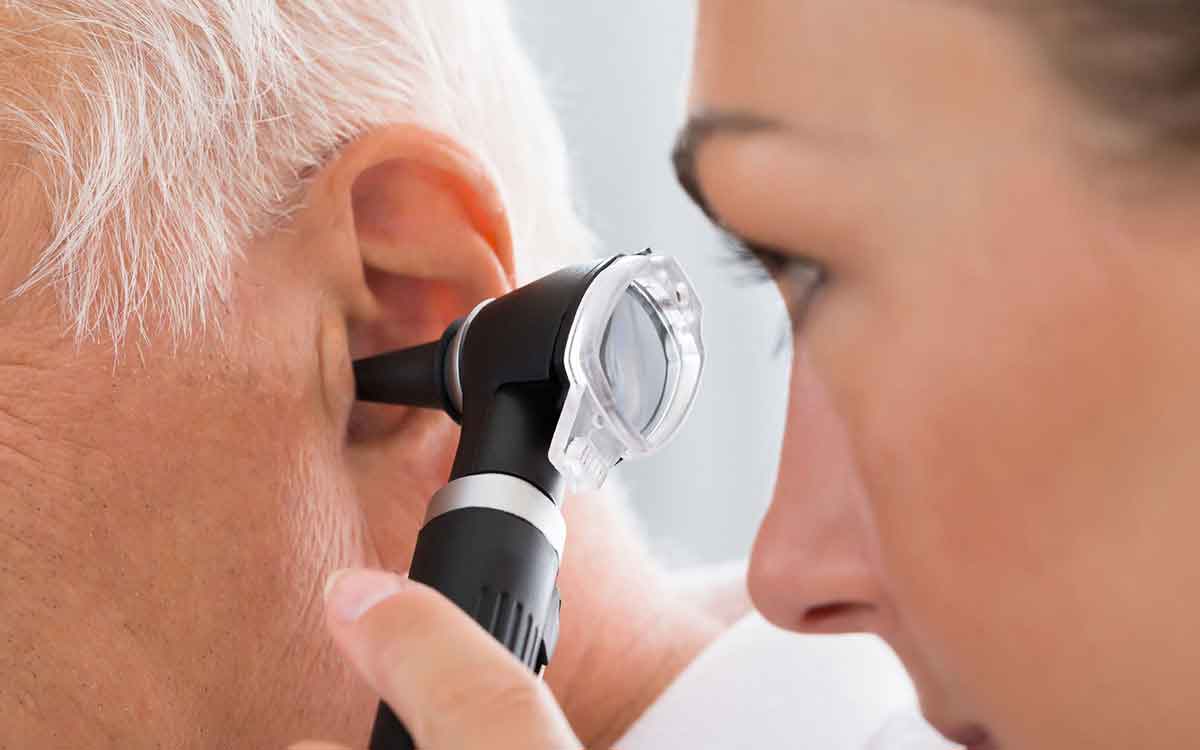
Auditory decline frequently manifests as an incremental process, making it likely to be ignored during its initial onset. It is common for people to adjust to hearing shifts by elevating device volume and steering clear of gatherings with significant background noise.
Prioritizing an early diagnosis can assist in optimizing daily communication.
Recognizing Typical Early-Stage Hearing Loss Symptoms
If you identify any of these early warnings, we suggest scheduling a professional hearing assessment to determine your status.
- Impaired speech discrimination during social interactions in loud or crowded environments.
- Frequently requesting others to repeat information.
- Muffled or blurred vocalizations, making it difficult to distinguish specific sounds.
- Requiring higher volume levels for electronic devices than is typical.
- Trouble hearing higher-pitched sounds, such as high-frequency vocalizations, birds, or electronic alerts.
- Occasional ear ringing or humming characteristic of tinnitus.
- Feeling cognitively fatigued after conversations, resulting from the strain of auditory processing.
- Retreating from group interactions as conversational tracking feels taxing.
These early signs of hearing loss may impact one or both ears and may come and go at first. Since the auditory cortex adapts to changes, subconscious adjustments often go unnoticed until clinical hearing loss is evident.
Statistical Overview of Global Auditory Health
The World Health Organization estimates that hearing rehabilitation requirements will affect 700 million people by 2050. Other relevant statistics consist of:
- By 2050, approximately 2.5 billion people are expected to experience some degree of hearing loss.
- Over 5% of the world’s population (430 million people) necessitates rehabilitation to address significant hearing loss.
- More than 1 billion younger individuals are at risk of avoidable hearing loss caused by unsafe listening practices.
- Among those over the age of sixty, over 25% suffer from disabling hearing loss.
Why Early Detection is Key
Untreated hearing loss can impact your overall health in ways you may not realize.
Data confirms a link between auditory impairment and risks involving cognitive decline and diminished balance.
Addressing symptoms at the onset facilitates more treatment options and improved clinical results.
Audiological testing differentiates between age-related decline, earwax buildup, or underlying infections.
Occasionally, hearing shifts are not permanent and can be effectively addressed.
In permanent cases, the early implementation of ear defense or hearing technology assists in managing the condition.
Guidelines for Consulting an Audiologist
It is recommended to seek an evaluation from an audiologist if:
- Auditory indicators persist for more than a few weeks.
- Auditory trouble begins to impact professional tasks or personal routines.
- If you encounter sudden hearing loss, dizziness, or chronic ear ringing (this should be evaluated promptly).
Auditory screenings are comfortable and noninvasive, plus they provide critical data into your auditory wellness.
Please contact our specialists if you are interested in arranging a formal hearing test.
FAQ: Early Signs of Hearing Loss
Q: Is hearing loss always age-related?
A: No. While age-related hearing loss is common, hearing changes can also result from noise exposure, medications, infections, genetics, or underlying medical conditions.
Question: Are there cases where hearing loss is reversible?
A: Some causes, like earwax buildup or infection, may be reversible. However, permanent types of hearing loss are often successfully managed with hearing aid technology or therapeutic strategies.
Question: What is the recommended frequency for hearing screenings?
A: A baseline screening is advised by age 50, or sooner if clinical symptoms manifest.