Muffled hearing can affect every aspect of your life, leaving you feeling confused and isolated from the world around you. While the fear of lasting hearing deterioration is a common first response, the true source is frequently a simple accumulation of canal debris.
Grasping the distinction between cerumen blockage vs. hearing loss can help you determine when a simple solution is possible and when it’s time to seek a hearing assessment. Try not to worry if your hearing feels abruptly diminished. A clinical evaluation will provide the final answer, but the following guide details the main variations between blockage-based issues and lasting loss.
How to Identify a Wax Blockage
Your canals generate wax as a natural defense mechanism to maintain health and keep debris away from the tympanic membrane. The trouble begins when this substance accumulates to the point of a tangible obstruction.
Standard markers of an obstruction involve:
- Dampened sound clarity that occurs gradually or suddenly
- A feeling of canal fullness or a “clogged” feeling
- Physical tenderness or focused pain in the ear
- Buzzing in the ear (tinnitus)
- Instances of sharper hearing after a yawn or chewing
Because obstructions are physical, they frequently affect just one ear at a point rather than both equally. Fortunately, once excess wax is safely extracted, hearing often returns to baseline instantly.
How Hearing Impairment Typically Presents
Unlike a brief blockage, nerve-based hearing deficit typically advances slowly over decades and is not resolved by cleaning the canal.
Indications of irreversible hearing loss often involve:
- Battling to follow conversations when ambient sound is present
- Regularly requiring repetition during everyday conversation
- Setting media volumes to a level that people find uncomfortable
- Reduced responsiveness to higher-pitched auditory signals
- Two-sided hearing changes that impact both ear canals simultaneously
A key difference is that actual loss misses the tangible “plugged” sensation that accompanies an earwax blockage.
Key Differences Summarized
When comparing earwax buildup vs. auditory impairment, a few clues can help guide you in the correct path:
- Timeline: Wax-related muffling can be rapid, but lasting loss takes years
- Permanence: Obstructions are a fast fix, while nerve loss needs long-term management
- Symptoms: Fullness and irritation indicate wax; speech clarity issues indicate loss
- Sides: Unilateral dull sound points to cerumen, while both sides point to hearing loss
The Dangers of DIY Cerumen Removal
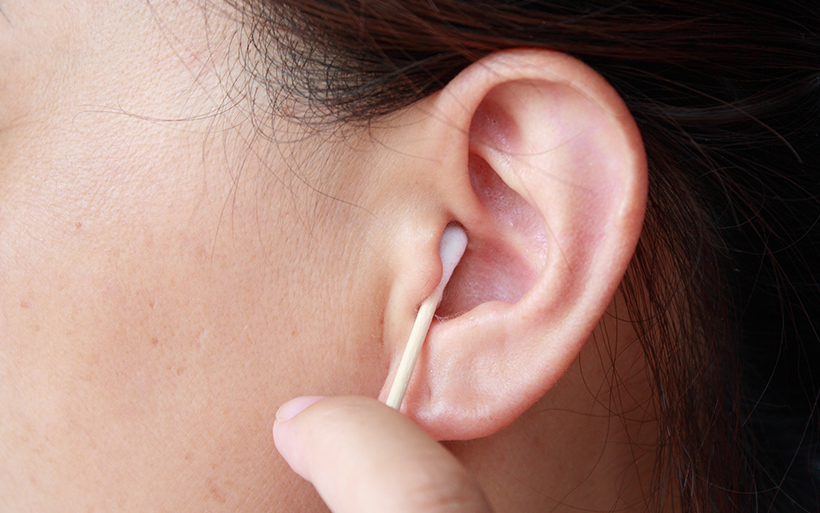
Numerous people make the mistake of attempting to extract a suspected obstruction manually using probes or home tools. Regrettably, these can push wax deeper and exacerbate the problem.
Medical specialists caution that inserting anything smaller than your finger in your ear can lead to eardrum rupture and major impaction.
On the other hand, presuming a problem is merely wax when it is truly hearing loss can hinder you from obtaining the assistance you need to stay engaged.
The Critical Nature of a Clinical Otoscopy
A simple ear exam can instantly verify if earwax is obstructing the ear.
If an obstruction is identified, a professional can remove it carefully, often restoring your hearing immediately.
If no cerumen is found, a formal hearing test will be conducted to identify the nature and degree of any underlying loss.
Health authorities suggest seeking a clinical opinion as soon as you notice auditory fluctuations that impact your lifestyle.
Finding the Correct Solution for Better Hearing
Dampened auditory quality is hardly a certain marker of chronic impairment.
Frequently, the issue is merely an accumulation of wax that can be quickly resolved.
A clinical evaluation will give you the clarity you need to move forward without worry.
In the end, an audiology consultation is the single certain way to differentiate between a fleeting blockage and a lasting change.
Addressing the issue immediately stops the stress of the unknown and puts you on the track to improved hearing.
Rather than wondering what is wrong, book a quick consultation with our specialists to get the reality.