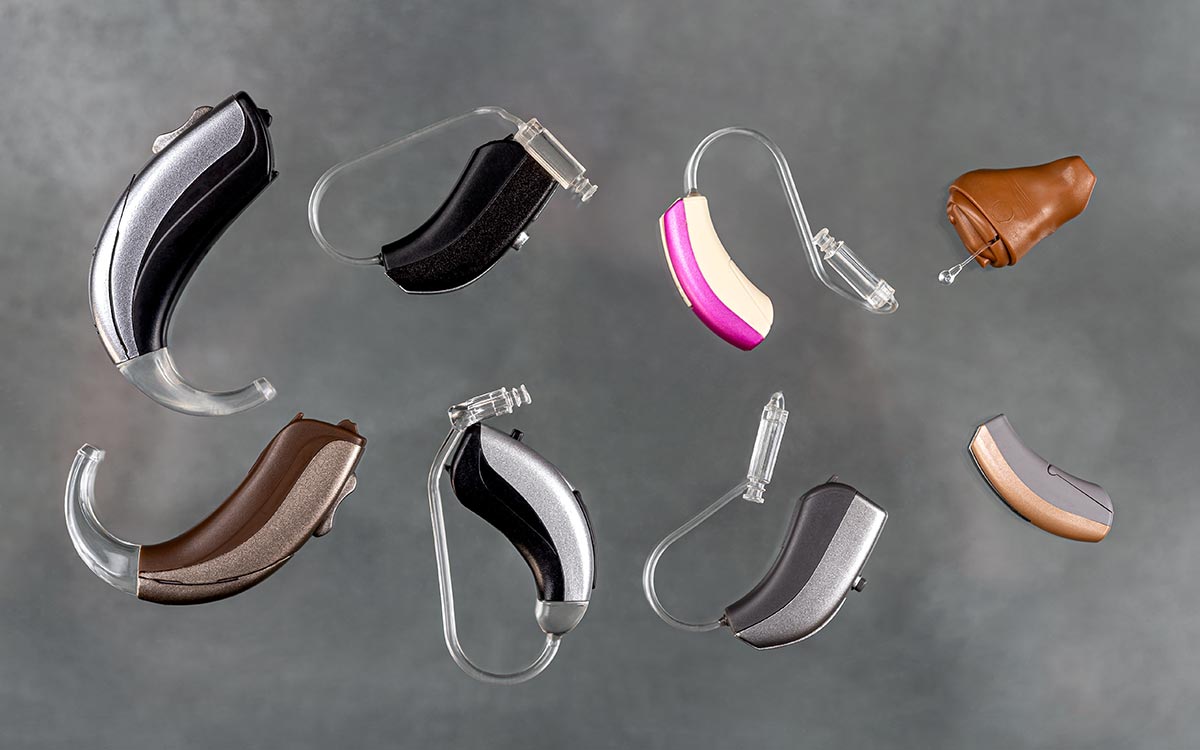
Choosing a hearing aid can feel daunting, especially when today’s devices come in so many styles, sizes, and technology levels. Rest assured that there is a hearing device tailored to every lifestyle and degree of impairment. Success lies in locating the specific aid that meets your personal preferences.
Understanding the distinctions among the most popular types of hearing aids can help you feel more informed and confident as you explore your options. We are planning to study the primary styles available today to help you understand what sets each option apart.
The ITC (In-the-Canal) Style Explained
What they represent:
ITC hearing aids rest partly in the ear canal, with a small portion visible at the outer ear.
Key Primary Features:
- Offers an improved profile than bulkier behind-the-ear units
- Custom-molded for comfort
- A useful choice for those with moderate hearing needs
These devices are frequently recommended for beginners due to their effective mix of subtle design and user-friendly functions.
Ultra-Discreet IIC Devices
What they are:
As the most compact custom selection, IIC aids represent the smallest available style. These devices sit so far back in the ear that they are nearly impossible to see.
Why people pick them:
- Highest degree of invisibility for the wearer
- Strategic placement enables an incredibly organic listening experience
- Featherweight and easy
The small form size of IIC models renders them perfect for mild hearing loss and anyone who values a stealthy hearing solution.
Understanding In-the-Ear (ITE) Units
What they are:
ITE hearing aids occupy either the whole outer ear (full-shell) or the lower portion (half-shell). Every device is specifically customized to match your ear’s unique shape.
Value Proposition:
- Increased size allows for more features and longer battery life
- Simpler to handle for those with dexterity challenges
- Effective for an extensive spectrum of hearing impairments, ranging from mild to severe
The all-in-one style of the ITE style makes it an ideal choice for those who dislike behind-the-ear equipment.
Behind-the-Ear (BTE) Hearing Aids
Functionality:
An external hearing aid is placed outside the ear for a stable fit. Audio is delivered through an ultra-fine tube or a personalized mold in the canal.
Common Reasons:
- Very versatile and durable
- Effective for almost every level of hearing impairment
- Large enough to include sophisticated software and modern rechargeable technology
BTE devices are a wonderful choice for individuals seeking reliability, ease of use, and strong amplification.
RIC (Receiver-in-Canal) Overview
What they represent:
In an RIC model, the speaker is detached from the main casing and placed inside the canal via a thin wire.
Market Interest:
- Highly organic sound quality
- Small, lightweight, and comfortable
- A versatile choice that works for various degrees of auditory needs
RIC units are extremely common currently because they balance appearance with powerful functionality.
Long-Term “Set and Forget” Hearing Aids
Operational Info:
These unique devices are built to stay in the ear canal for a month or more, managed by your hearing specialist.
User Incentives:
- Eliminates the need to put in or take out the device every day
- Almost hidden
- Built to endure the stresses of sleep, exercise, and showering without being removed
If you prefer an auditory solution that requires zero daily thought, the extended-wear style is perfect.
Bluetooth-Enabled Hearing Aids
What they represent:
Auditory aids with wireless connectivity that sync with smartphones, tablets, computers, and sometimes TVs.
Digital Advantages:
- Allows for sharp phone calls and media streamed directly to the device
- Gives you the power to adjust your volume and programs via a smartphone app
- Perfectly matched for the requirements of an advanced, connected individual
You can find Bluetooth capabilities integrated into a variety of form factors, from RIC and BTE to custom ITC designs.
Middle-Ear Implants
What they are:
A surgical method that works by shaking the tiny bones inside the ear to provide amplified audio.
Why people choose them:
- A viable path for patients who are unable to wear standard acoustic devices
- This is a specialized choice for those with chronic ear canal sensitivity.
These devices require a thorough medical review by a hearing, nose, and throat expert.
Finding the Hearing Aid That Suits Your Life
Selecting an instrument is an individualized journey that takes into account your hearing severity, lifestyle habits, and visual preferences. A hearing professional is your best resource for comparing these options and finding a match for your daily routine.
Take the initiative for your auditory health by booking a professional evaluation today. Your future of assured interaction starts with this first evaluation.
Sources:
https://www.mayoclinic.org/diseases-conditions/hearing-loss/in-depth/hearing-aids/art-
20044116
https://www.hearinglife.com/hearing-aids/types
https://www.nidcd.nih.gov/health/hearing-aids