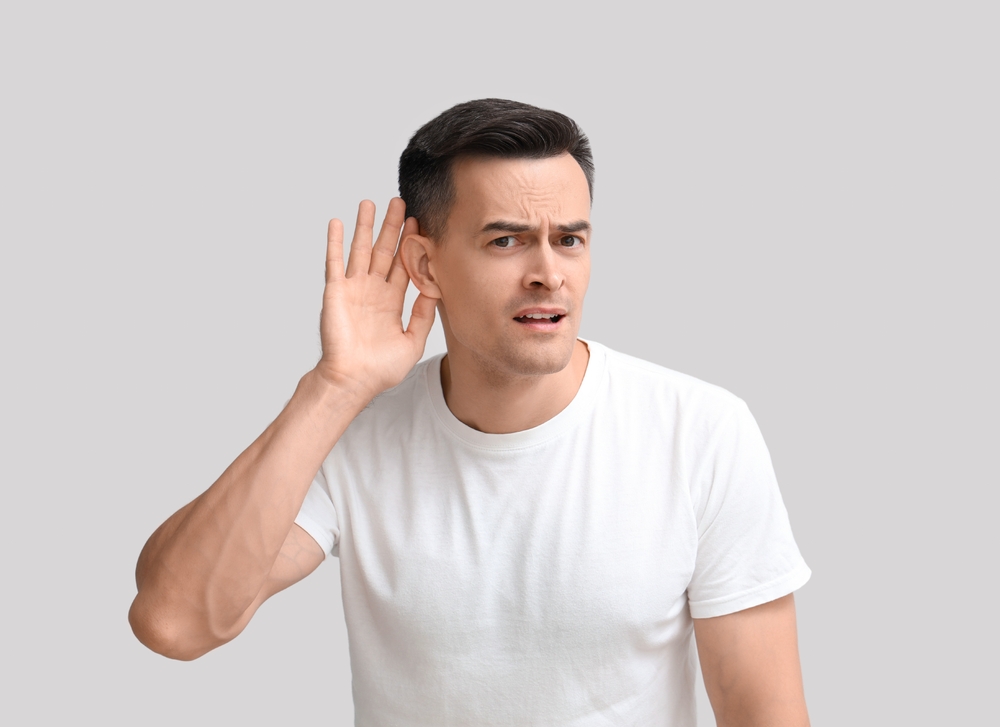
Is it common for you to feel physically and mentally spent after navigating a social environment?
You may assume you’re just tired, stressed, or overwhelmed. Certainly, for those with introverted tendencies or sensory processing sensitivities, social engagement is naturally taxing. Frequently, this specific type of burnout is actually triggered by chronic auditory fatigue.
Auditory fatigue occurs when the central nervous system must expend excessive energy to decode acoustic signals. The brain’s attempt to reconstruct incomplete audio data requires an immense amount of “processing power” and neural energy. Sustained periods of this “effortful listening” eventually lead to total cognitive depletion.
It is common for patients to conflate auditory fatigue with general daily exhaustion. In many cases, persistent fatigue serves as a diagnostic “red flag” for early-onset hearing impairment. A professional diagnostic evaluation is necessary to confirm if hearing loss is the root cause of your exhaustion. Should these symptoms persist, it is vital to discuss the possibility of hearing loss with a healthcare professional.
Why Your Brain Suffers from Auditory Fatigue
Multiple variables contribute to heightened cognitive demand during sound processing, elevating the risk of auditory fatigue.
The Impact of Unmanaged Hearing Loss
Unmanaged hearing loss stands as a primary catalyst for chronic listening exhaustion.
If the peripheral auditory system fails to deliver clear data, the brain must use context clues to guess the missing information. Relying on context rather than clarity places an unsustainable burden on the brain during everyday conversations.
Noisy Environments
Acoustically complex settings serve to intensify the demand on the brain’s filtering systems. Loud public spaces, corporate boardrooms, and large social gatherings typically feature high levels of competing ambient noise.
Processing concurrent audio streams requires the brain to perform intense “auditory scene analysis” to find the primary speaker. This biological workload frequently triggers cognitive overload, particularly when any level of hearing loss is present.
Distortion, Tinnitus, and Cognitive Drain
The presence of tinnitus creates a dual-processing burden, forcing the brain to manage both phantom internal signals and legitimate external sound.
Sound distortion caused by hearing loss can further increase strain, forcing the brain to work even harder to understand speech.
Identifying the Symptoms of Listening Exhaustion
The manifestations of auditory fatigue impact both cognitive performance and systemic energy reserves. Frequently observed symptoms include:
- Sense of being “wiped out” after a basic discussion
- Difficulty concentrating during meetings or group discussions
- Headaches after long listening periods
- Irritability or frustration in social settings
- A tendency to “tune out” or physically leave social gatherings
- Compulsive need for rest after navigating a noisy environment
If these symptoms occur frequently, it may indicate that your ears and brain are working harder than they should.
Why Hearing Loss Makes Your Brain Work Harder
Clear auditory input allows the brain to interpret sound with virtually no conscious effort. However, when hearing loss is present, the brain must allocate more cognitive resources to decode sounds.
Researchers describe this as increased cognitive load. This energy shift often leaves the patient struggling with recall and attention while they try to listen. This continuous drain on the brain’s “battery” leads to chronic daily exhaustion. The effort required for even a 10-minute talk becomes disproportionately high.
Why a Hearing Test is the First Step to Recovery
If auditory fatigue is affecting your daily life, a professional hearing evaluation can help identify the cause. The evaluation process includes mapping your hearing range and measuring your speech discrimination accuracy. Testing your hearing in a noisy context is vital for identifying the true drivers of your social exhaustion.
A professional assessment confirms the link between your ears and your exhaustion, enabling targeted care. Timely audiological care is the most effective way to halt the progression of auditory fatigue.
How Modern Technology Lowers Cognitive Load
Clinical intervention is proven to drastically reduce the mental burden of communication.
Current digital technology restores the signal-to-noise ratio, providing the brain with a cleaner audio feed. The brain can finally rest, receiving data that is easy to interpret and understand.
When listening becomes easier, many people notice improvements in:
- Mental energy throughout the day
- Increased attention span during long discussions
- Feeling relaxed and confident in noisy environments
By reducing neural over-exertion, your daily life regains its sense of ease and fluidity.
Timing Your Audiological Evaluation
Consider booking a hearing test if any of the following rings true:
- Dialogue leaves you feeling cognitively spent
- Others comment on your need for frequent repetition during social calls
- Following a group talk in a restaurant feels nearly impossible
- You avoid social situations because listening feels difficult
Resolving these issues today ensures a higher standard of living and better cognitive health for the future.
What You Need to Know About Auditory Fatigue
Are Fatigue and Loss Identical?
Actually, no; auditory fatigue is the cognitive result of the strain, not the physical impairment itself. Most people experience auditory fatigue as a direct consequence of their hearing loss.
Can hearing aids reduce listening fatigue?
Absolutely; by cleaning up the acoustic signal, modern devices take the processing load off the brain.
Can I Recover from Auditory Fatigue?
In many cases, auditory fatigue improves when the underlying cause (like untreated hearing loss) is addressed with proper evaluation and treatment.
Say Goodbye to Post-Conversation Burnout
Daily dialogue should not be a source of profound cognitive depletion. When simple listening becomes a chore, it is a sign of an inefficient auditory processing loop.
Schedule your hearing test today by contacting us today. Reclaim your social life and your energy by getting the truth about your auditory health today.