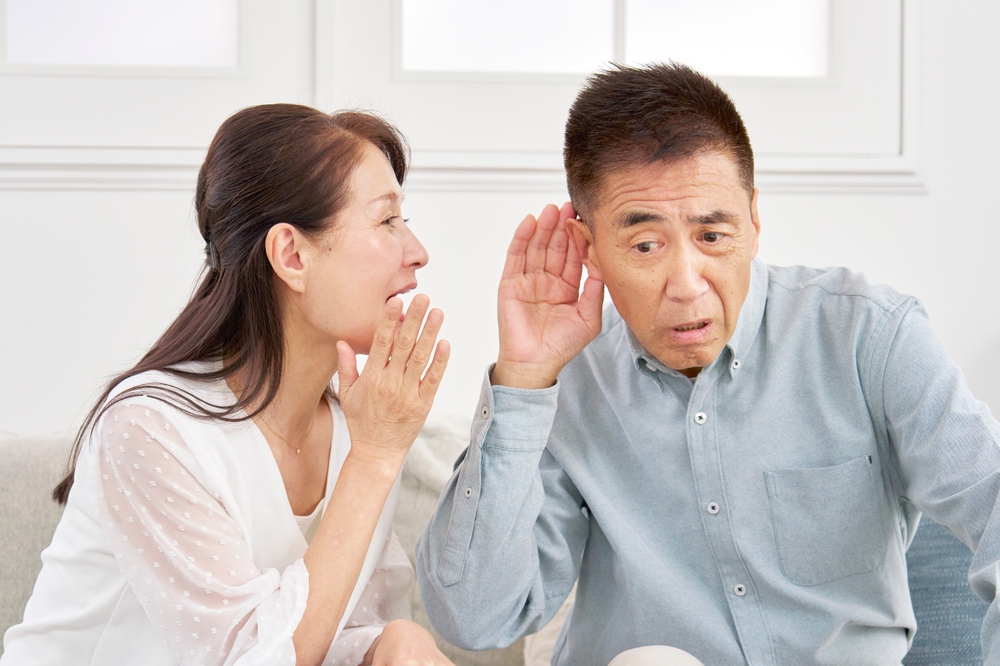
While auditory decline is statistically prevalent, pervasive misconceptions often deter individuals from pursuing clinical intervention. And with hearing loss, getting the right care at the right time is critical. Accepting hearing myths as fact typically results in late-stage intervention and diminished communicative function.
Identifying the facts behind auditory health allows you to navigate clinical options with technical certainty. Let’s take a closer look at seven hearing loss myths that deserve to be clarified, along with the truths that put them in their place.
Myth: Hearing Impairment is Solely a Condition of Aging
While age-related hearing changes are common, hearing loss can occur at any age. Factors such as acoustic trauma, genetic markers, ototoxic drugs, and viral infections trigger hearing issues in youth.
The “aging myth” frequently prevents young and middle-aged adults from pursuing an essential hearing test.
2. Myth: If I Can Hear, I Don’t Have Hearing Loss
Hearing loss doesn’t have to mean complete deafness. Patients with mid-range impairment often perceive environmental noise while losing the ability to decode complex speech. Between perfect hearing and total hearing loss is a wide spectrum of hearing challenges.
Signs of decline often involve poor speech-in-noise recognition and significant mental strain after talking with others. These are common early signs of hearing changes that should not be ignored.
3. Myth: Hearing Loss Is Simply an Inconvenience
Ignoring hearing loss creates systemic health risks that impact the entire neurological system. Data shows that failing to treat hearing issues can lead to brain atrophy and emotional health challenges.
Proactive hearing care is a vital component of maintaining cognitive health and emotional stability.
4. Myth: Hearing Aids Make Your Hearing Worse
There is no clinical evidence to suggest that proper use of hearing aids speeds up auditory decline.
Digital hearing aids are designed to protect and support the ear, not injure it. These devices use precision digital processing to target frequencies identified in your hearing test. Consistent use of hearing aids maintains the neural pathways required for clear sound interpretation.
Myth: All Hearing Aids are Bulky and Noticeable
Recent innovations in hearing science have prioritized both power and miniaturization. Contemporary hearing aids deliver elite processing power within incredibly discreet housings. Patients can now choose custom-molded options that sit deep within the ear canal for total discretion.
Beyond their small profile, these devices feature AI-driven noise cancellation and seamless smartphone integration.
Why Even Mild Hearing Impairment Requires Attention
Even mild hearing loss can impact communication and daily life. Using hearing help for mild cases reduces the heavy “brain power” usually required to decode speech.
Maintaining communicative fluency is far easier when you address auditory shifts in their infancy.
Why OTC Devices Often Fall Short of Clinical Needs
Generic OTC amplifiers lack the sophisticated frequency shaping required for complex hearing loss profiles. A professional hearing evaluation ensures that treatment is tailored to your individual needs.
Personalized care makes a significant difference in both comfort and clarity.
Moving Beyond the Myths to Auditory Health
Any change in hearing can feel scary, which is why many people brush it off and delay seeking care. Accepting myths as truth leads to a longer road to recovery and more significant brain strain. Fortunately, a modern hearing test is a non-invasive, efficient process that yields vital health data.
Taking the first step toward a hearing test is the best way to safeguard your long-term communication. Prompt action protects your ability to engage with the world and maintains your mental well-being.
If you want to learn more about your hearing health or schedule a hearing evaluation, our team is here to help! Contact our office today to schedule your personalized hearing consultation.